TIMELYINTERVENTION AND DIAGNOSIS – TO AVOID LIFE THREATENING CONSEQUENCES
A 45 year old female paitent presented to our hospital with complains of pain and swelling on the right lower jaw region since 2 weeks. The pain was gradual in onset, dull, aching and continuous in nature radiating to the right forehead, ear and back of the neck. Patient had fever and shivering since past 4 days for which she was on antibiotics and analgesics. Patient also complained of difficulty in swallowing since 2 days.
On examination, Swelling was soft on the lower border of mandible and indurated on the neck and posterior auricular region.Submandibular lymph nodes were palpable and tender. Localized rise in temperature noted over the swelling. Intra orally there was a tooth which was infected on the lower jaw of same side which led us to a provisional diagnosis ie , space infection.
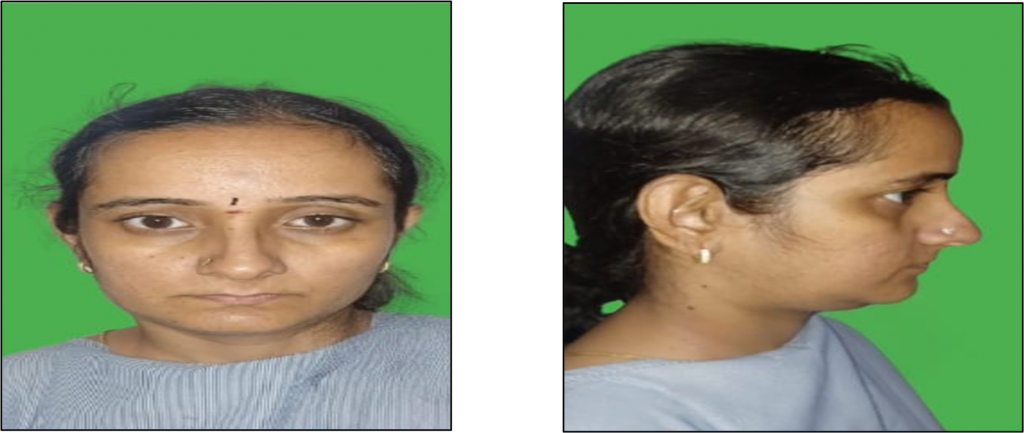
SURGICAL INTERVENTION
Patient was advised for MRI of neck before the surgery, which revealed enlarged lymphnodes from level 2 to level 5 of neck. Surgery planned was incision and drainage followed by removal of lymphnode for histopatholgical evaluation. To our surprise, there was no pus obtained when drianage was performed ruling out space infection. After this, a lymphnode biopsy was performed and sample was sent for histopathology evaluation.
POST OPERATIVE CARE
During the post operative period, patient was put on regular antibiotics and analgesics to control the infection till a definitive diagnosis has been made. Patient was closely monitored for any post operative bleeding or infection. Patient was discharged the next day without any complications.
OUTCOME The histopatholgy report revealed a very rare and elusive KIKUCHI FUJIMOTO disease. This disease primarily affects young and pediatric patients of Asian descent. The typical presentation is acute to subacute, characterized by painful, tender, mobile cervical lymphadenopathy with systemic symptoms, such as fever, malaise, weight loss, joint pains, and various skin manifestations. The management includes supportive measures such as painkillers and medications to reduce the temperature. In severe cases corticosteroids will be prescribed. In our case as the patient was not responding to regular analgesics and antipyretics, she was prescribed corticosteroids for 4 weeks. And patient was completely recovered with no complications.